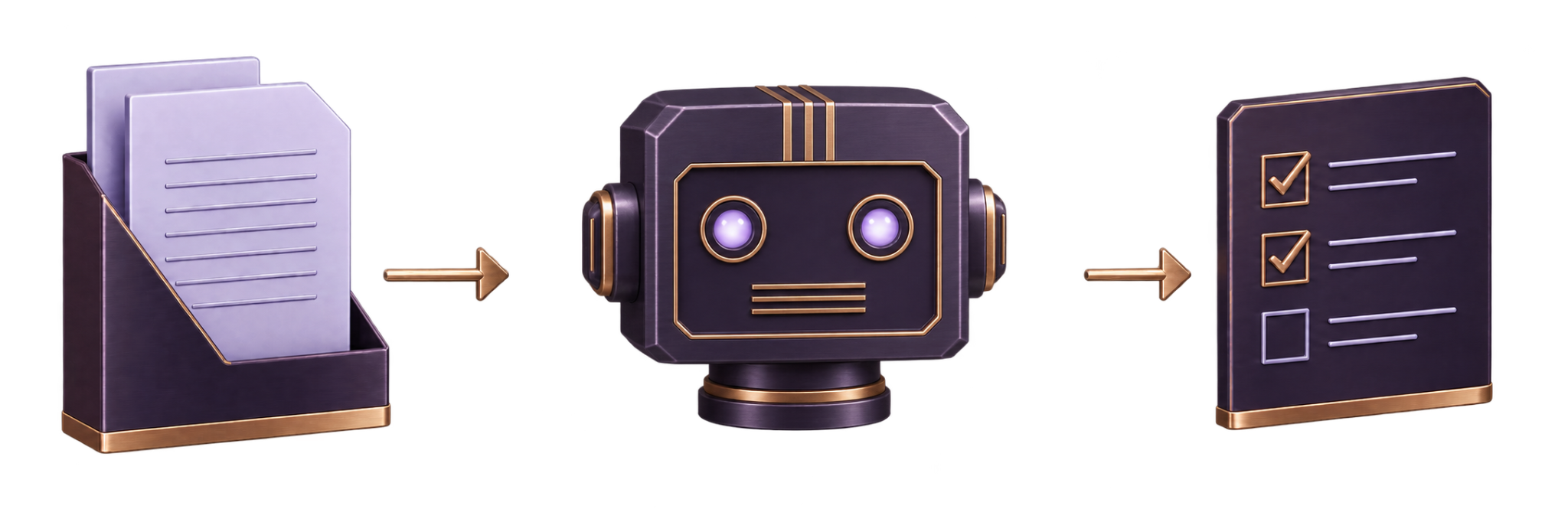
Agents & workflows
Research assistants, document workflows, service-request handling and operational tools.
- Define permitted actions and review points
- Connect the relevant information and tools
- Evaluate representative tasks and failures

Define the right use for AI, connect it to your existing systems, and build a useful experience for the people doing the work.
Research assistants, document workflows, service-request handling and operational tools.

Connect business software and reference material so an assistant can work with useful context.
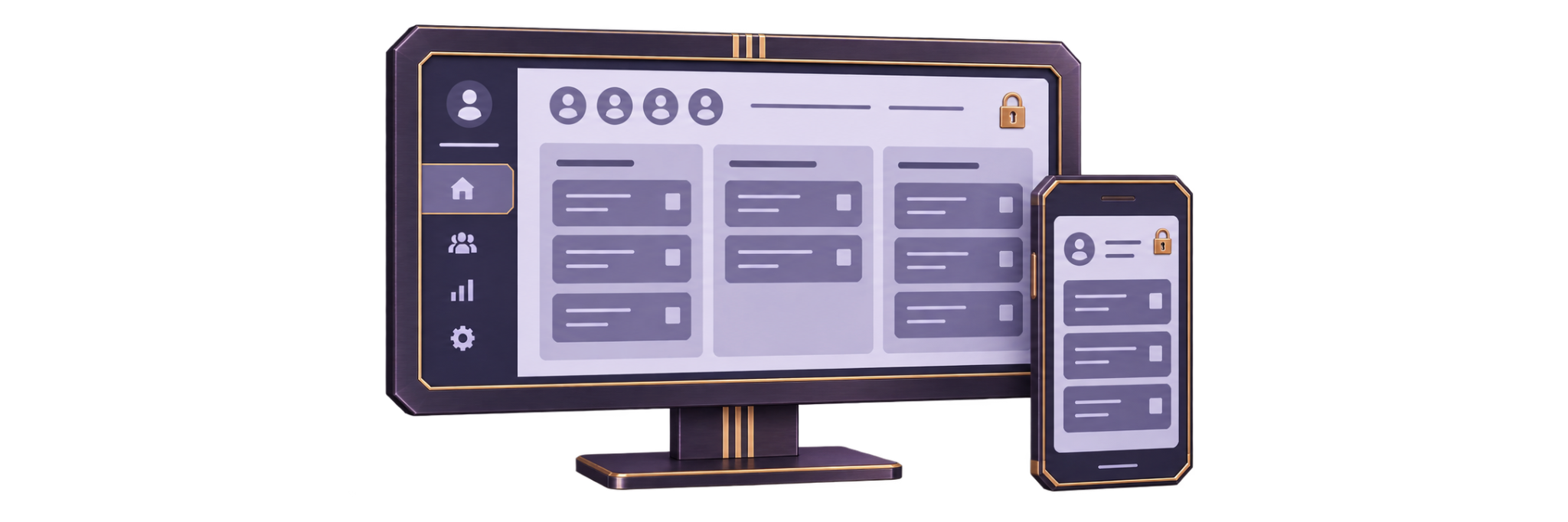
Build the application around the AI: interface, accounts, permissions, workflows and operational support.
See our own platform →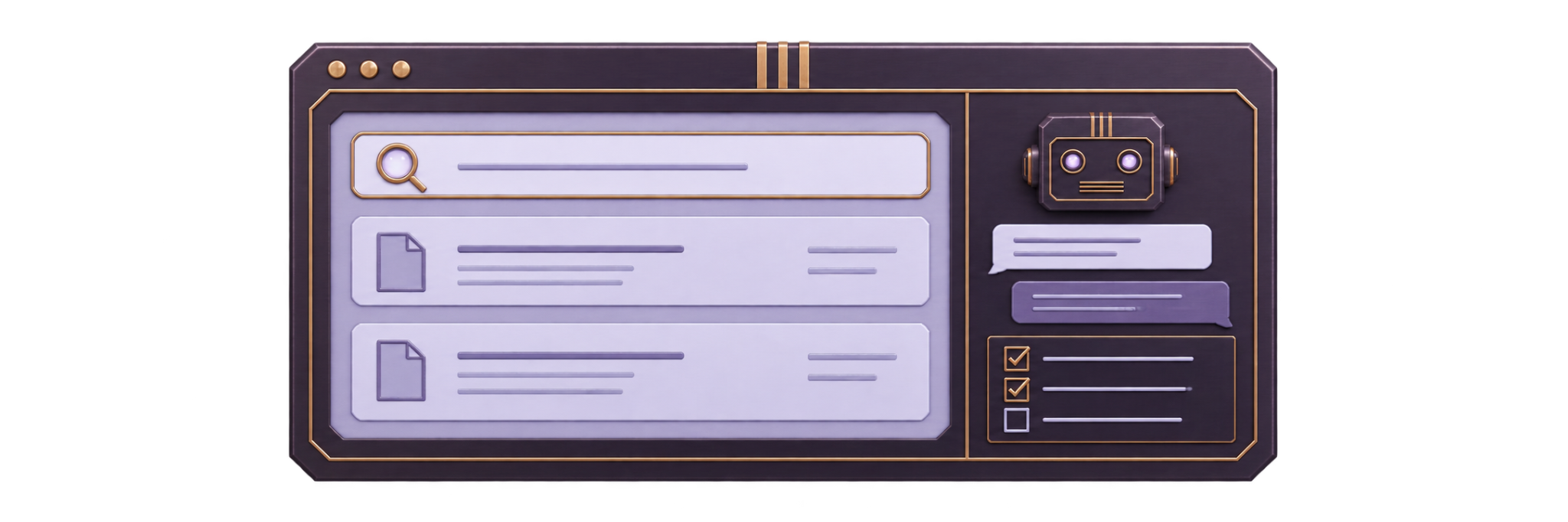
Improve a specific experience within the product your users already know. Potential uses depend on your content, data and workflow.
You may already know what you want: a better search experience, an assistant that works across business systems, or an AI feature inside your product. You may also have an expensive manual process and need help deciding whether AI is the right fit. Media Mechanic works through that question with you, then designs the software and integrations the solution needs.
The starting point is the task, the people doing it and the information they can access. A customer-facing feature has different requirements from an internal research tool. A system that drafts a proposal needs different controls from one that sends it. Those distinctions shape the interface, permissions and evaluation from the beginning.
Our own GearHead platform gives you a concrete example of our work across business memory, agent orchestration, connected tools and application controls. Sensei shows guidance within an existing application experience. Neurospine Product Review shows AI search and comparison within a specialist website. Each involves the surrounding product as well as the model response.
A useful engagement may include workflow mapping, application design, data preparation, API connections, evaluation and release planning. The scope should explain what the system will do, what remains under human control, and how the work will be handed over or supported.
The first useful release can be one well-defined workflow. Test it with representative inputs, review the failures and decide what should expand next. If you already have a prototype, we can begin by examining its architecture, integrations and reliability issues before proposing changes.
GearHead Framework is one possible foundation. A project may instead need an integration with your existing stack or a separately built application. Licensing, code ownership, third-party services and ongoing support belong in the proposal.
Based in the Portland, Oregon area, Media Mechanic works with business owners and technical teams locally and beyond the Northwest.